

No, adding a spoiler to a car is generally legal. A spoiler only becomes illegal when it creates a safety risk, blocks visibility, or appears insecure. In practice, most factory-style and properly installed aftermarket spoilers are perfectly legal for street use.
The confusion comes from enforcement. Spoiler laws are rarely written as spoiler-specific rules. Instead, they fall under general vehicle safety, visibility, and roadworthiness standards. That’s why some drivers run spoilers for years without any issues, while others get stopped or fail inspection quickly. This guide explains the real-world lines that actually matter.

Is It Illegal to Put a Spoiler on a Car?
No, it is not illegal to put a spoiler on a car in most places.
There are no blanket laws that ban spoilers outright. Many sedans, hatchbacks, and performance cars come from the factory with rear spoilers or wings, which clearly shows that spoilers themselves are compatible with street-use regulations.
Where legality comes into play is not the presence of a spoiler, but whether it introduces visible or mechanical risk. In practice, enforcement focuses on how the spoiler affects:
-
Rear visibility
-
Structural safety
-
Pedestrian risk
-
Stability at speed
Key takeaway:
Spoilers are legal by default. They only become a problem when they look unsafe or interfere with normal road use.
When Does a Car Spoiler Actually Get You in Trouble?
A car spoiler usually gets you in trouble when it draws attention for the wrong reasons.
In real-world enforcement, police officers and inspectors do not rely on written dimensions or part descriptions. Instead, they make quick, experience-based judgments. The most common questions they implicitly ask are:
-
Does it block rear visibility from the driver’s seat?
-
Does it look securely mounted at highway speeds?
-
Could it injure someone in a low-speed rear-end impact?
-
Does it protrude unusually far from the vehicle body?
If the answer to any of these is “yes” or even “unclear,” the spoiler is far more likely to result in a stop, citation, or inspection failure. This explains why two cars with spoilers can be treated very differently, even if both are technically legal.

Can a Spoiler Obstruct Visibility and Cause Legal Issues?
Yes. Visibility is one of the fastest ways a spoiler becomes a legal problem.
Rear visibility is evaluated from the driver’s seating position, not from behind the car. A spoiler that looks harmless from the outside can still intrude into the rear window sightline once you sit in the driver’s seat.
In real inspections and roadside stops, visibility issues usually occur when:
-
A wing crosses into the upper portion of the rear window
-
A pedestal-mounted spoiler aligns directly with the driver’s eye level
-
The spoiler interferes with the effective range of the rear-view mirror
Inspectors do not care whether the spoiler is carbon fiber, plastic, or metal. What matters is whether it blocks what the driver is expected to see while operating the vehicle.
Is There a Legal Size or Height Limit for Car Spoilers?
Most regions do not publish exact spoiler size limits, but enforcement patterns are consistent.
Despite common online claims about specific inch measurements, most vehicle codes rely on subjective standards such as excessive, unsafe, or obstructive. In practice, spoilers tend to raise issues when they:
-
Sit clearly above the roofline
-
Extend far beyond the trunk edge
-
Interrupt the driver’s rearward line of sight
A practical rule of thumb used by inspectors is simple:
If the spoiler is visible through the rear window during normal driving, it is far more likely to be questioned.
This is why subtle OEM-style spoilers rarely cause problems, while tall GT-style wings attract attention—even when they are securely mounted.

Are Large Wings or Racing-Style Spoilers Street Legal?
Large wings are not automatically illegal, but they operate much closer to the enforcement line.
The critical difference is design intent.
Street-focused aftermarket manufacturers design spoilers for daily driving. That typically means controlled height, preserved rear visibility, and reinforced mounting points.
By contrast, racing-focused wings prioritize downforce and adjustability. While effective on track, these designs often introduce visibility concerns and higher perceived risk on public roads. From a legal standpoint, the issue is not appearance—it’s whether the design suits real-world street conditions.

Can a Spoiler Be Illegal Because It’s Poorly Installed?
Yes—and this is one of the most common real-world failure points.
Inspectors and police often focus on movement. If a spoiler visibly flexes, rattles, or vibrates at speed, it signals a potential detachment risk.
What Inspectors Usually Flag First
Based on real inspection patterns, the most common red flags are:
-
Visible flex when the spoiler is lightly shaken by hand
-
Mounting hardware that looks undersized or poorly reinforced
-
Wings bolted to thin trunk lids without internal support
-
Universal brackets that do not match trunk curvature
-
Fasteners loosening after repeated heat cycles
Street-oriented manufacturers reduce these risks by engineering reinforced mounting zones and model-specific attachment points. Revozport-designed carbon fiber spoilers, for instance, distribute load across reinforced areas instead of relying on thin sheet metal or generic brackets. This construction significantly reduces visible flex—one of the main triggers for inspection failures and roadside stops.
The same principle applies to other exterior modifications, like carbon fiber hoods, side skirts, car canards, and car fenders.
If you are considering lightweight exterior parts, you may also want to review our guide on whether carbon fiber hoods are street legal, which explains how design intent and installation quality affect inspection outcomes.
Which Spoilers Are Most Likely to Be Legal on the Street?
Spoilers that rarely cause legal issues tend to share a few common traits:
-
Low-profile boot lip spoilers
-
OEM-style pedestal spoilers
-
Fixed, non-adjustable designs
-
Reinforced, vehicle-specific mounting points
These designs preserve rear visibility, appear structurally secure, and align closely with factory design expectations—making them far less likely to attract enforcement attention.
Which Spoilers Are Most Likely to Get Flagged or Failed?
Spoilers that commonly run into legal or inspection trouble include:
-
Tall GT wings that extend above the roofline
-
Adjustable racing wings with exposed hardware
-
Universal spoilers with poor trunk reinforcement
-
Designs that partially block the rear window
These setups are not illegal by definition, but they carry a much higher risk of being cited or rejected during inspection.
Are Spoilers Legal in California and Other Strict Regions?
Yes, spoilers are legal in California, but enforcement is stricter.
California does not prohibit spoilers outright. However, enforcement tends to focus heavily on visual safety and perceived risk, even when no spoiler-specific law is cited. In practice:
-
Tall wings attract attention quickly
-
Poor mounting is flagged immediately
-
Visibility issues rarely receive leniency
In stricter regions, subtlety matters. Low-profile spoilers with clean, reinforced mounting typically pass visual inspection more easily.
Can a Spoiler Cause You to Fail Vehicle Inspection?
Yes. Inspection failure is usually about condition, not theoretical legality.
The most common spoiler-related inspection failures involve:
-
Sharp or unfinished edges
-
Loose or unstable hardware
-
Obstructed rear visibility
-
Poorly reinforced mounting points
Many drivers fail inspection despite the spoiler being legal in theory. Inspectors are tasked with judging roadworthiness, not debating modification intent.
Does Adding a Spoiler Affect Insurance or Warranty?
A spoiler usually does not affect insurance, but disclosure matters.
Insurers focus on risk exposure. A properly installed spoiler rarely changes coverage. Issues typically arise when:
-
A modification contributes to an accident
-
The vehicle is leased or financed without approval
-
Major exterior changes were not disclosed
For higher-value vehicles or aggressive builds, notifying your insurer helps avoid disputes later.
How to Make Sure Your Spoiler Is Street Legal
To minimize legal and inspection issues:
-
Keep the spoiler out of the rear window sightline
-
Avoid sharp or exposed edges
-
Ensure all mounting points are reinforced and secure
-
Avoid excessive height above the roofline
-
Follow local inspection guidelines
-
Choose spoilers designed specifically for street use—preferably from manufacturers like Revozport that prioritize OEM-compatible fitment and inspection-friendly construction over track-only performance

Conclusion: So, Is It Illegal to Put a Spoiler on a Car?
Putting a spoiler on a car is generally legal. It only becomes illegal when it creates safety risks, blocks visibility, or fails roadworthiness standards. Most real-world problems come from oversized designs or poor installation—not from spoilers themselves.
Local enforcement varies widely, so always check regional inspection guidelines before making permanent modifications. When design intent and installation quality are right, spoilers are commonly run on daily-driven cars without legal issues.
Explore Our Full Range of Tuning Accessories


Audi RS3 8Y Limousine Carbon Fiber Spoiler
$279


Audi RS5 B9.5 Coupe Carbon Fiber Rear Spoiler
$279


Audi RS6 C8 Carbon Fiber Roof Spoiler
$805

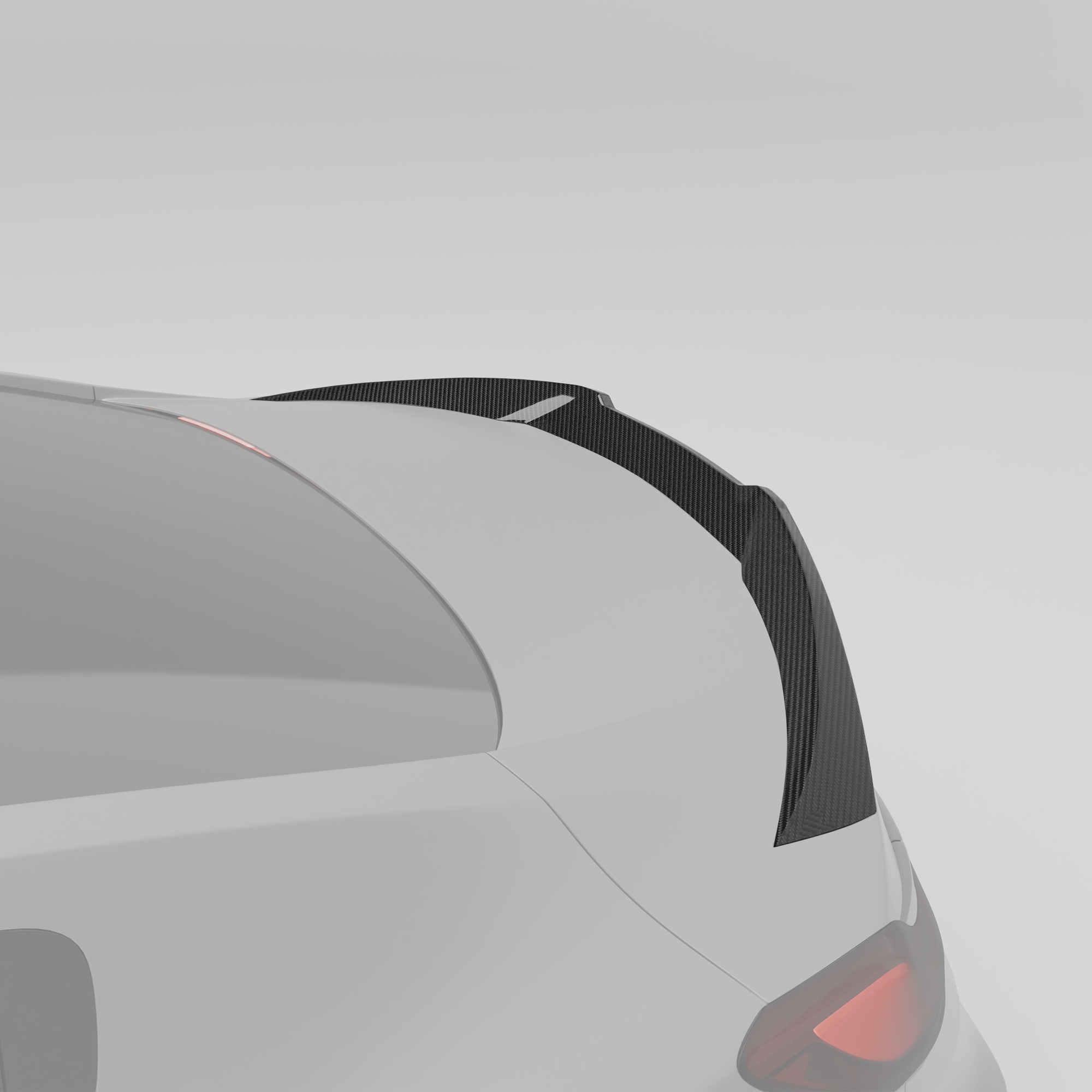


BMW M8 F93 G16 Carbon Fiber Rear Spoiler
$349


BMW X6M F96 LCI Carbon Fiber Spoiler
$455


0 comments